




Honey Hole Fish Habitat for Ponds & Lakes
What is Fish Habitat & Why Your Pond Needs It
Fish habitat refers to the natural or artificial structures that provide fish with shelter, feeding areas, and spawning grounds. In most private ponds, natural habitat is limited—or completely absent.
That’s where artificial fish habitat comes in.
By adding pond fish habitat structures, you create a balanced environment that supports fish at every stage of life—from fry to trophy-sized bass.
Build Better Fisheries with Proven Fish Habitat Structures
Add the structure your pond is missing with high-quality Honey Hole fish habitat for ponds. Designed to improve fish growth, increase survival rates, and create better fishing opportunities.

Natural habitat like fallen trees and brush piles can provide cover for fish, but it often snags fishing lines and causes anglers to lose tackle. Honey Hole artificial habitat is designed with snag-resistant branches and durable materials — spend more time fishing and less time re-tying lost lures.
When baitfish gather around habitat for protection, predator fish like largemouth bass move in to hunt, creating ideal fishing spots throughout your pond. A one-acre pond has enough depth variation to support habitat across the full water column — from shallow spawning cover to mid-depth ambush structure.

Click here to
compare all habitat productsHabitat for Early Stages & Shallow Water
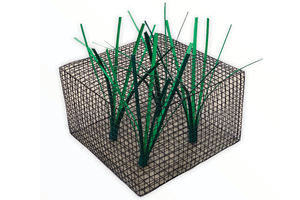
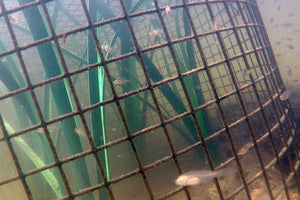
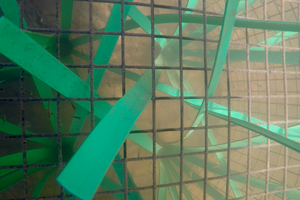
2 to 3-ft
2'x2'
Fry
- Escape cover for fry
- Important food source
- The most protection you can buy
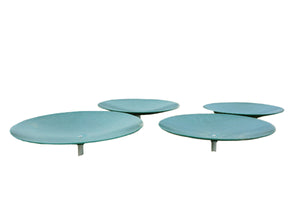
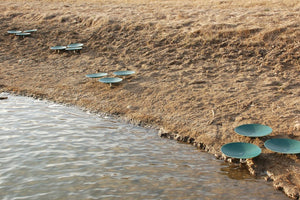
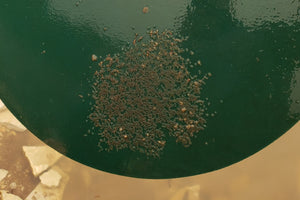
2'-4'
1.67' x 1.67'
Egg and Larvae
- Ideal for nesting species, including largemouth bass
- Increase pre-hatch survivorship
- Increase hatch-rate by 300-400%.
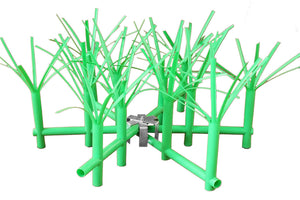
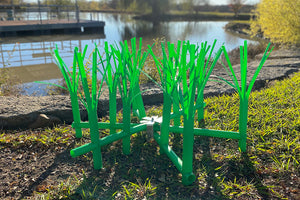

2'-3'
4'x 4'
Juvenile
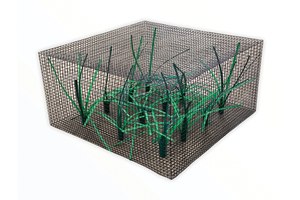
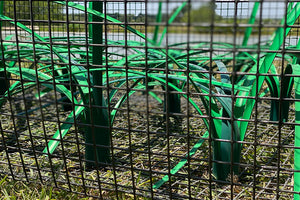
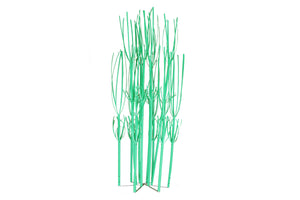
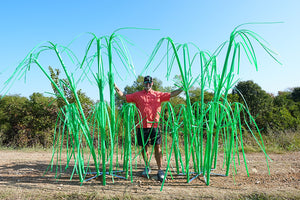
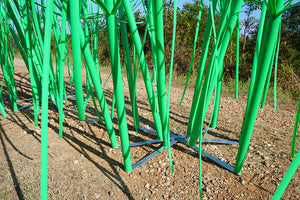
- Grass-like leaves mimic natural structure you'd find in the shallow areas and along the shoreline
- Improves baitfish reproduction & survival
- Quick assembly - no glue needed!
4 to 5 ft.
4'x4'
Fry
- Escape cover for fry
- High limb and leaf count
- The most protection you can buy

Save More with Habitat Packages
Complete Habitat Packages for Your Pond
Get everything your pond needs in one package. Our habitat bundles are designed by fisheries biologists to provide the right mix of structure for every life stage — from fry to trophy bass.
Benefits of Adding Fish Habitat to Your Pond
Adding fish habitat structures is one of the most effective pond management strategies you can implement.
Improve Fish Growth
Fish use structure to ambush prey, conserve energy, and grow faster.
Increase Survival Rates
Dense pond habitat protects small fish and forage species from predators.
Boost Spawning Success
Proper fish habitat for ponds provides ideal areas for reproduction and egg protection.
Create Better Fishing Spots
Fish naturally gather around fish attractors for ponds, making them easier to locate and catch.
Support a Healthy Ecosystem
Habitat promotes a stronger food chain by supporting algae, insects, and baitfish.

A good rule of thumb is to dedicate 10–20% of your pond’s surface area to habitat for optimal results.
- Mix shallow and deep placements
- Cluster some areas and spread others out
- Replace natural structure as it decomposes
The goal is simple: create a variety of structure that supports fish at every stage of life.
Habitat for Juvenile Stages and Moderate Depths
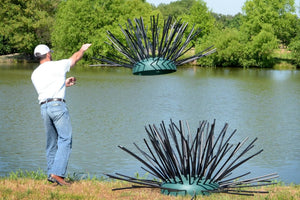
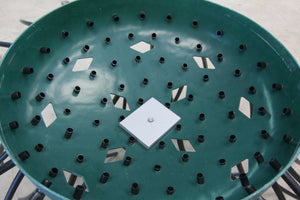
3'-6'
6'x6'
Juvenile
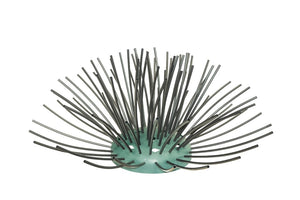
- Quickly accumulates periphyton
- Increase forage species production and survival
- Snag-resistant
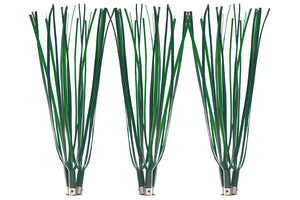


4'-6'
4'x4'
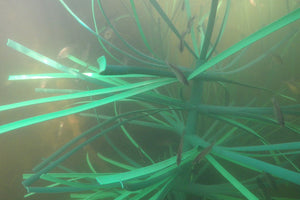
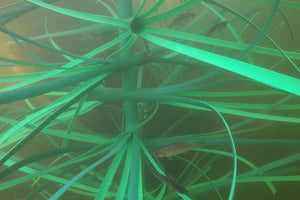
Juvenile
- Imitates natural cover
- Quickly accumulates periphyton
- Improves baitfish survival
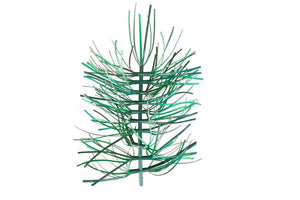
7'-10'
4'x4'
Intermediate
- Attracts gamefish
- Snag resistant
- Safe for the environment
Habitat for Adult Stages & Deeper Water
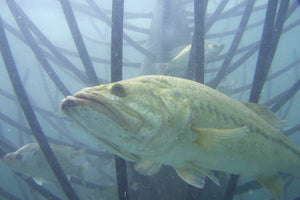
6'-10'
7'x7'
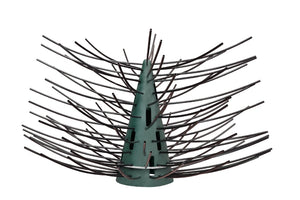
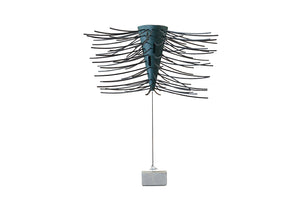
Intermediate
- Holds baitfish to attract gamefish
- Environmentally friendly
- Snag resistant
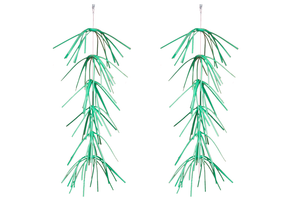
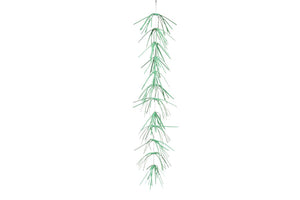
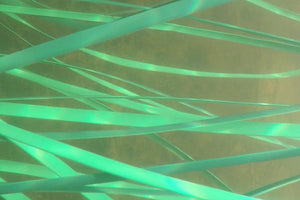
15' or more
4'x4'
Adult
- Quickly attracts fish
- Turns docks into fishing megastructure
- Safe for the environment
12' or more
7'x7'
Adult
- Easy to transport and install
- Safe for the environment
- Ideal summer/winter habitat
Once installed, Honey Hole habitat products remain in place indefinitely with no maintenance. Built from high-density and low-density polyethylene — not PVC — our structures are biologically inert and designed to withstand long-term underwater conditions, including seasonal temperature changes and freezing.


Not sure what you need?
Get a Complete Habitat Package
Our habitat packages are designed by fisheries biologists to give your pond the right mix of structure at every depth. Choose the package that matches your pond size and get maximum coverage at the best value.
Designed by Fisheries Biologists
Pond King was founded by a fisheries biologist, and our team includes experienced specialists in private pond management. Whether you're improving fishing, increasing forage production, or building a trophy bass pond, our experts can help you choose the right habitat, design a layout, and create a custom package for your goals.
What Our Customers Are Saying
Frequently Asked Questions
How do I know what fish habitat to put in my pond?
The best fish habitat for your pond depends on water depth, fish species, pond size, and your fishing goals. Bass ponds benefit from artificial trees and brush piles for ambush cover, while bluegill and baitfish prefer dense grass or nursery-style habitat. Use the pond size sections above to find the right products for your situation, or contact our biologists for a personalized recommendation.
How much fish habitat should I add to my pond?
We recommend 10–15% of your pond area contain fish habitat or structure. This can include a mix of artificial fish habitat, natural brush, rock piles, and aquatic vegetation. Our Value Packs are pre-configured to provide the right amount of coverage for ½ acre, 1 acre, and 3+ acre ponds.
Does fish habitat actually attract fish?
Yes. Artificial fish habitat attracts fish by providing cover, shade, feeding opportunities, and protection from predators. Baitfish often gather around structure first, which then attracts predator fish like bass and crappie. Over time, habitat becomes one of the most productive fishing areas in a pond.
What fish species use artificial fish habitat?
Artificial fish habitat is commonly used by largemouth bass, crappie, and bluegill. It provides cover for baitfish, spawning areas for panfish, and ambush structure for predator fish.
Where should fish habitat be placed in a pond?
Fish habitat should typically be placed along drop-offs, near depth changes, or along pond edges in 3–10 feet of water. These areas create natural travel routes for fish. Placing habitat near spawning areas and feeding zones helps attract bass, bluegill, and crappie while improving fishing success.
Do I need to add extra weights to Honey Hole fish habitat?
Standard installations of Pond King's Honey Hole products include sufficient weights to sink and secure the habitat. However, additional weight such as cinder blocks or bricks may be needed if installing on a steep pond slope, liner pond, or in areas with heavy wave action.
Do you offer bulk pricing on fish habitat?
Yes. Multi-pack pricing is available on many fish habitat products on our website. We also offer additional quantity discounts for large pond projects. Contact us for a custom quote if you need habitat for a larger pond or lake.